Machine breakdowns and downtime
Repeated failures, unplanned downtime, long repair time, minor stops and unreliable production equipment.
 FFT ServicesFOOD FACTORY ENGINEERING & SOURCING
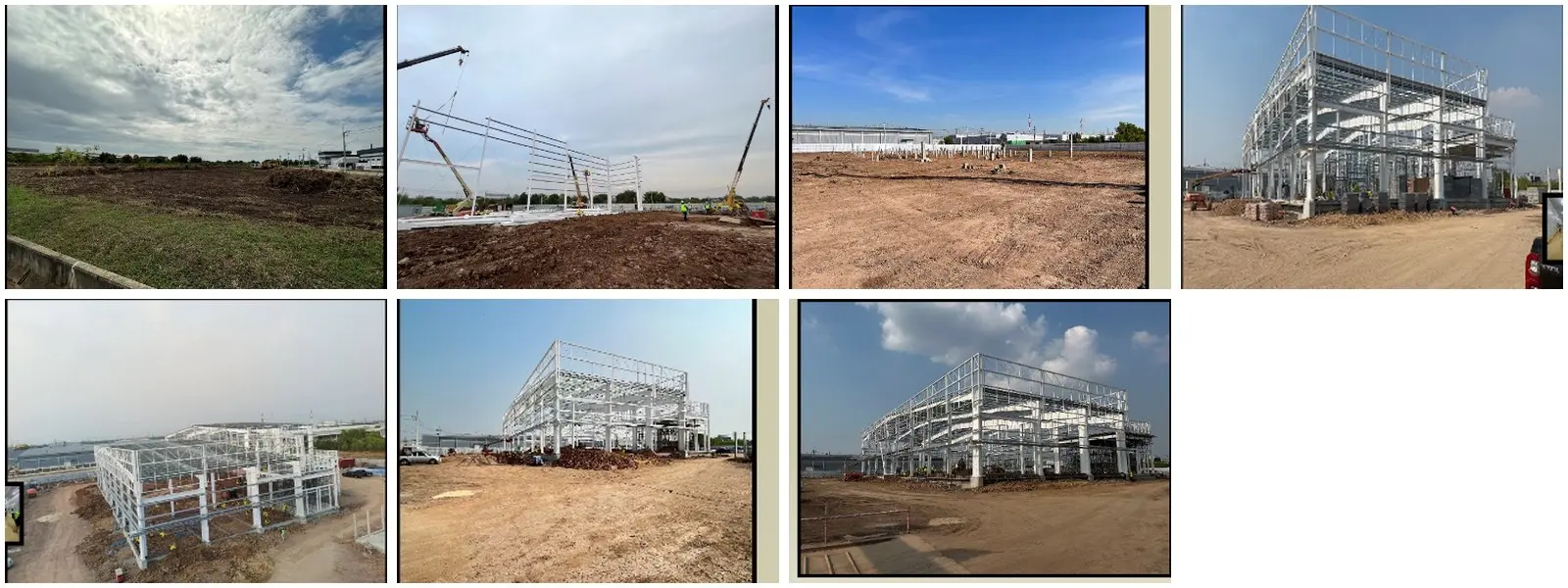
Independent technical assessment for recurring manufacturing problems—low OEE, machine breakdowns, unplanned production downtime, bottlenecks, excessive waste, quality defects, high production costs and factory working-environment concerns.
A food-production line may miss its target because of several connected causes: unstable raw material, incorrect machine settings, inadequate maintenance, poor transfer geometry, utility variation, operating methods or environmental conditions. FFT Services examines the complete manufacturing system to identify the root cause and define practical improvement priorities.
This service is intended for food manufacturers that need an independent view of a persistent operational problem, a capacity constraint, unreliable equipment or an improvement project that has not delivered the expected result.
The assessment scope is selected around the actual loss—not around a predetermined equipment sale.
Repeated failures, unplanned downtime, long repair time, minor stops and unreliable production equipment.
Slow cycles, line imbalance, capacity loss, production bottlenecks and failure to achieve rated output.
Product variation, incorrect weight, seal failures, leakage, breakage and recurring quality problems.
Material loss, overfilling, excessive labour, energy consumption, reprocessing and avoidable operating expense.
Temperature, moisture, mixing, drying, cooking, cooling, freezing, transfer or packaging inconsistency.
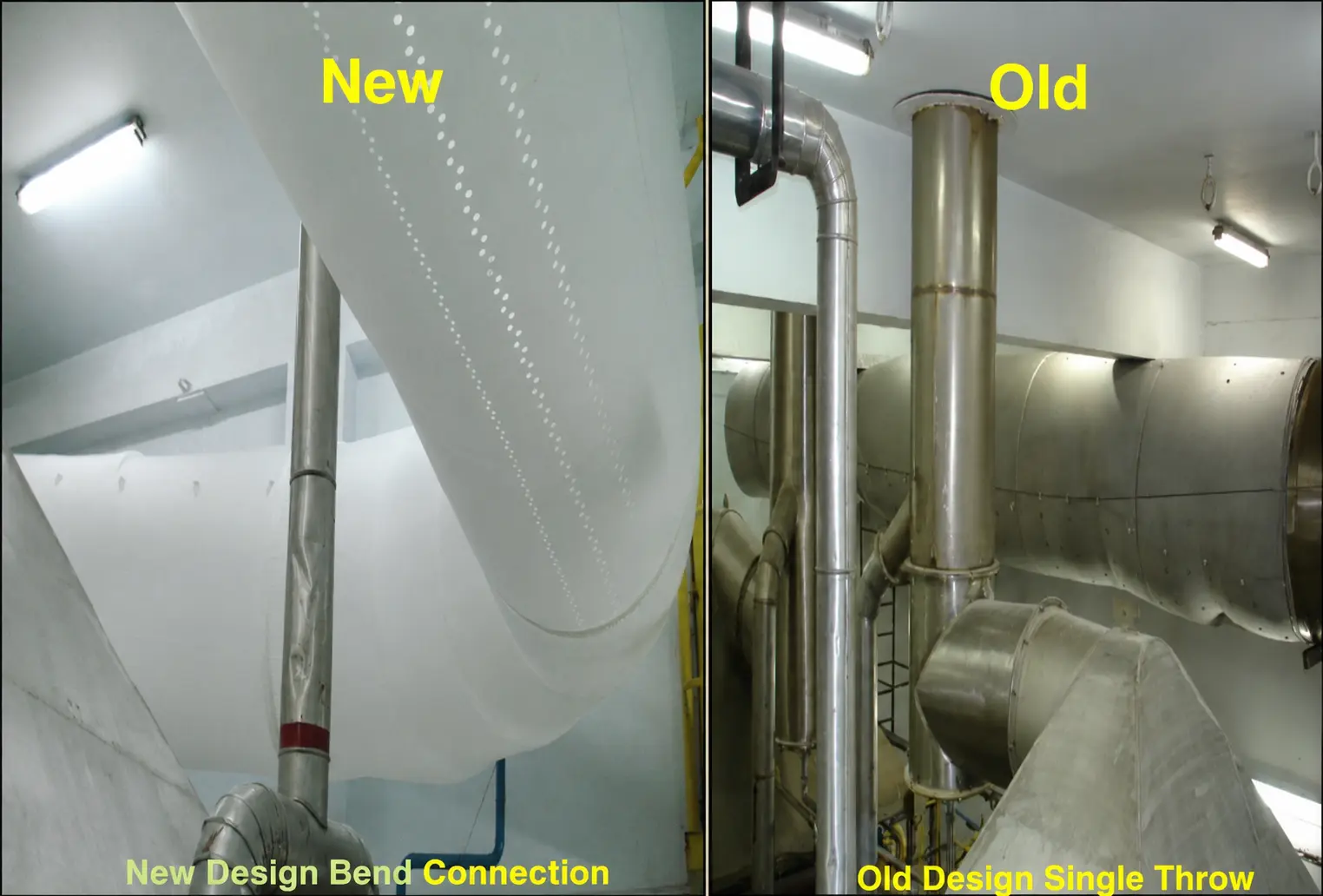
Heat, condensation, poor ventilation, unbalanced air distribution, hygiene risks and difficult maintenance access.
Review actual process flow, operating parameters and losses across the full line.
Investigate repeated equipment failure and the conditions that create it.
Connect product, film, temperature, pressure, dwell time and machine condition.
Assess whether supporting systems are creating production, energy or hygiene losses.
Define the problem, business impact, available evidence and required outcome.
Review records remotely or assess the process and equipment at the factory.
Separate symptoms from technical, operational and organisational causes.
Prioritise actions, responsibilities, verification methods and implementation support.
Yes. The assessment can focus on one machine, but connected product, upstream, downstream, utility and operating conditions may also need review to identify the true cause.
Yes. Drawings, production data, photographs, videos and maintenance history can support an initial remote review. A factory assessment may be recommended when direct measurement or observation is necessary.
Implementation, supplier evaluation, installation, commissioning and performance verification can be included under a separately agreed scope.
Relevant experience includes noodles, rice noodles, sauces, cereals, frozen and ready-to-eat foods, plant-based foods, sausage, patty and ham processing, packaging and related factory systems.
Share the product, affected equipment, present condition, available data and expected result. FFT Services will recommend the most appropriate first assessment.