Hygienic equipment design
Review cleanability, product-contact materials, joints, hollow sections, access and contamination traps.
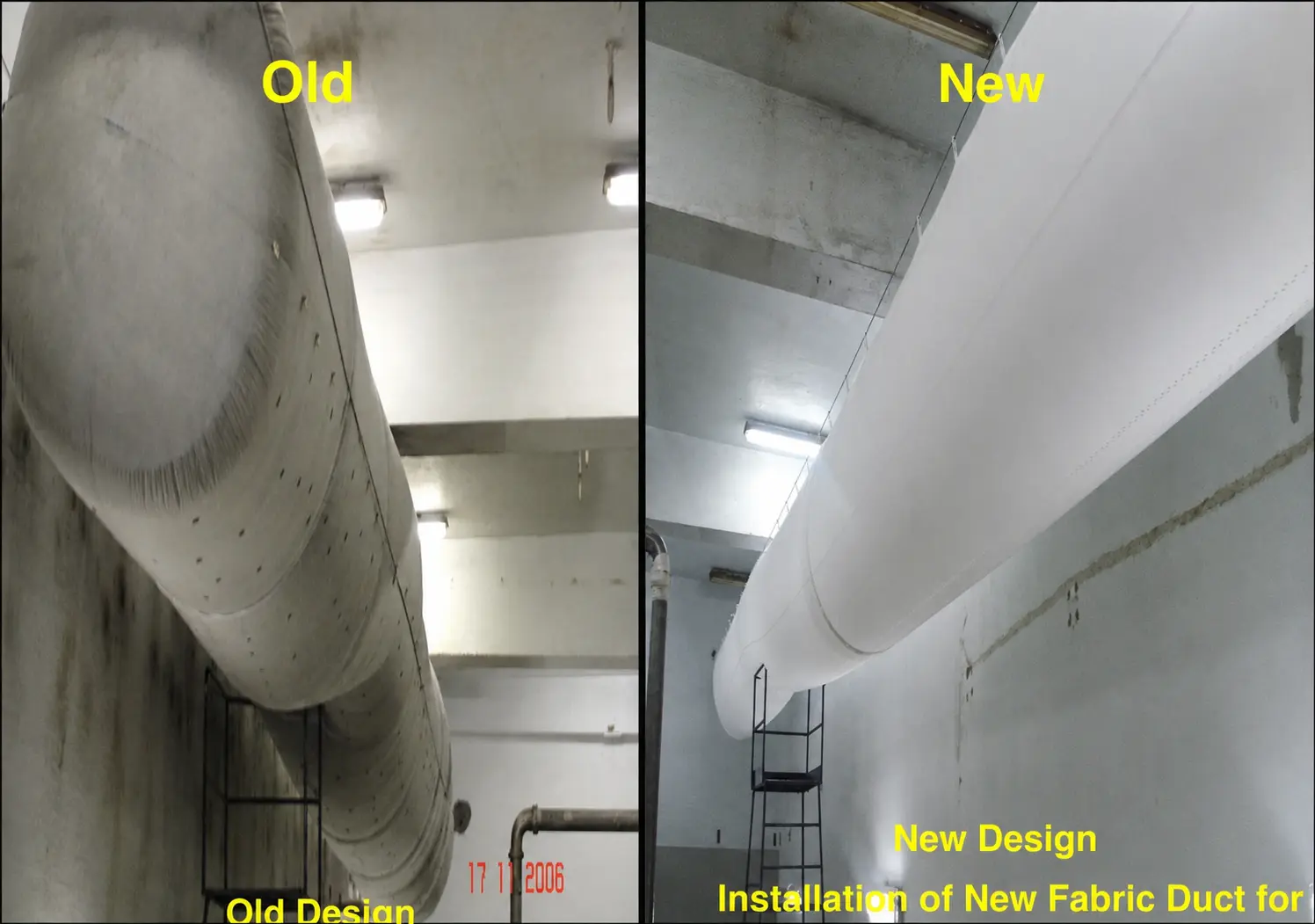
Engineering assessment and improvement of equipment, layouts, utilities and factory conditions that influence contamination control and food safety.
Procedures become difficult to sustain when equipment traps product, surfaces cannot be cleaned, condensate forms above exposed food, drains flow incorrectly or maintenance work crosses hygienic zones. FFT Services identifies engineering conditions that weaken hygiene controls and develops practical corrections.
The service complements the factory food-safety system by focusing on physical, mechanical and utility-related risks. Certification and regulatory approval remain with the competent authorised parties.
Engineering assessment and improvement of equipment, layouts, utilities and factory conditions that influence contamination control and food safety.
Review cleanability, product-contact materials, joints, hollow sections, access and contamination traps.
Assess separation of raw, cooked, high-care, allergen, waste, people and maintenance routes.
Investigate slope, pooling, drain location, backflow, hose use and cleaning access.
Review pressure relationships, extraction, filtration, humidity, cold surfaces and overhead condensate.
Improve lubricant control, temporary repairs, tool practices, access and post-maintenance release.
Prioritise immediate containment, repair, redesign and capital improvements by food-safety risk.
Review product, process, hygiene zones, cleaning and relevant equipment conditions.
Identify contamination routes and rank engineering deficiencies by consequence and likelihood.
Define immediate containment and practical repair, redesign or replacement options.
Confirm cleanability, operating control, documentation and sustained ownership.
No. The service provides engineering input to support the factory food-safety system; formal HACCP responsibility, certification and regulatory decisions remain with authorised competent parties.
Yes. Product-contact areas, cleanability, access, materials, fabrication, drainage and contamination traps can be reviewed for a defined machine.
Yes. Surface temperature, humidity, airflow, extraction, insulation, door opening and production moisture should be assessed together before selecting controls.
Share the product, process, equipment, present condition, available data and expected result. FFT Services will recommend an appropriate first step.