Criticality and loss
Prioritise assets using safety, food quality, downtime, capacity, cost and recoverability.
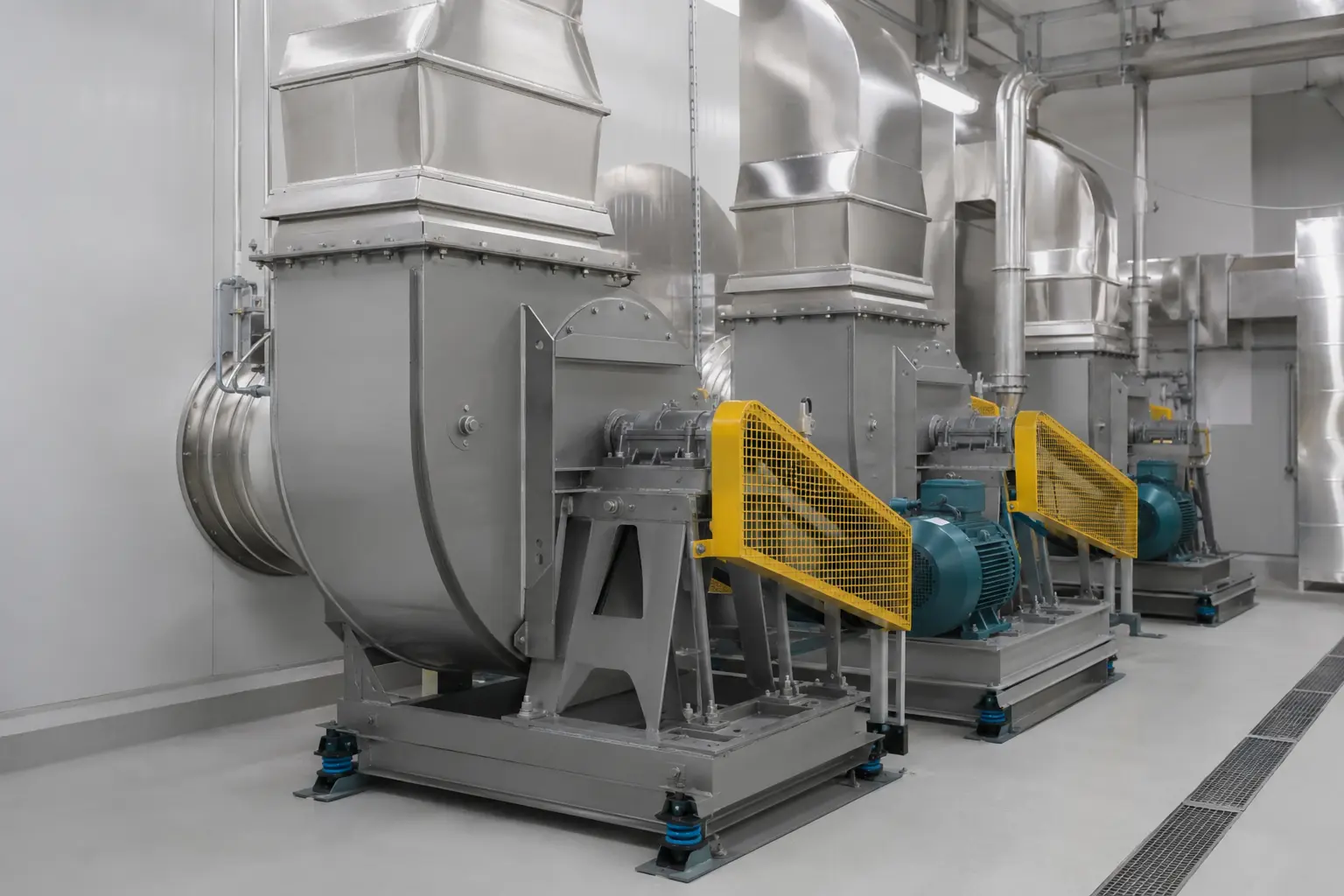
Practical maintenance and reliability improvement for food-processing, packaging, conveying and utility equipment.
Breakdowns often repeat because tasks are generic, failure modes are not understood, spares are poorly selected, access is difficult or operating conditions damage equipment. FFT Services links maintenance practice with machine design, process duty, operator care and production loss.
The assessment can focus on one critical machine, a production line, utilities or the complete maintenance system.
Practical maintenance and reliability improvement for food-processing, packaging, conveying and utility equipment.
Prioritise assets using safety, food quality, downtime, capacity, cost and recoverability.
Investigate physical, operational, maintenance and design causes of repeated failure.
Match inspection, condition monitoring, preventive replacement and run-to-failure to risk.
Define quantities, specifications, interchangeability, storage and replenishment priorities.
Improve job plans, scheduling, permits, tools, history, backlog and shutdown preparation.
Identify access, guarding, alignment, lubrication and cleanability improvements.
Collect loss, failure, maintenance, spare and operating information.
Identify critical assets, repeated failure modes and weaknesses in current controls.
Prioritise technical corrections, task changes, spares and planning improvements.
Assign ownership, indicators, review frequency and verification methods.
No. Existing spreadsheets, maintenance records, operator knowledge and physical inspection can support an initial assessment. Data quality improvement may become one recommendation.
Not necessarily. Each failure mode requires an appropriate control; some need condition monitoring, redesign, operating changes, spare strategy or planned replacement.
Yes. Reduced failures, minor stops and recovery time can improve availability and performance when the principal losses are correctly identified.
Share the product, process, equipment, present condition, available data and expected result. FFT Services will recommend an appropriate first step.